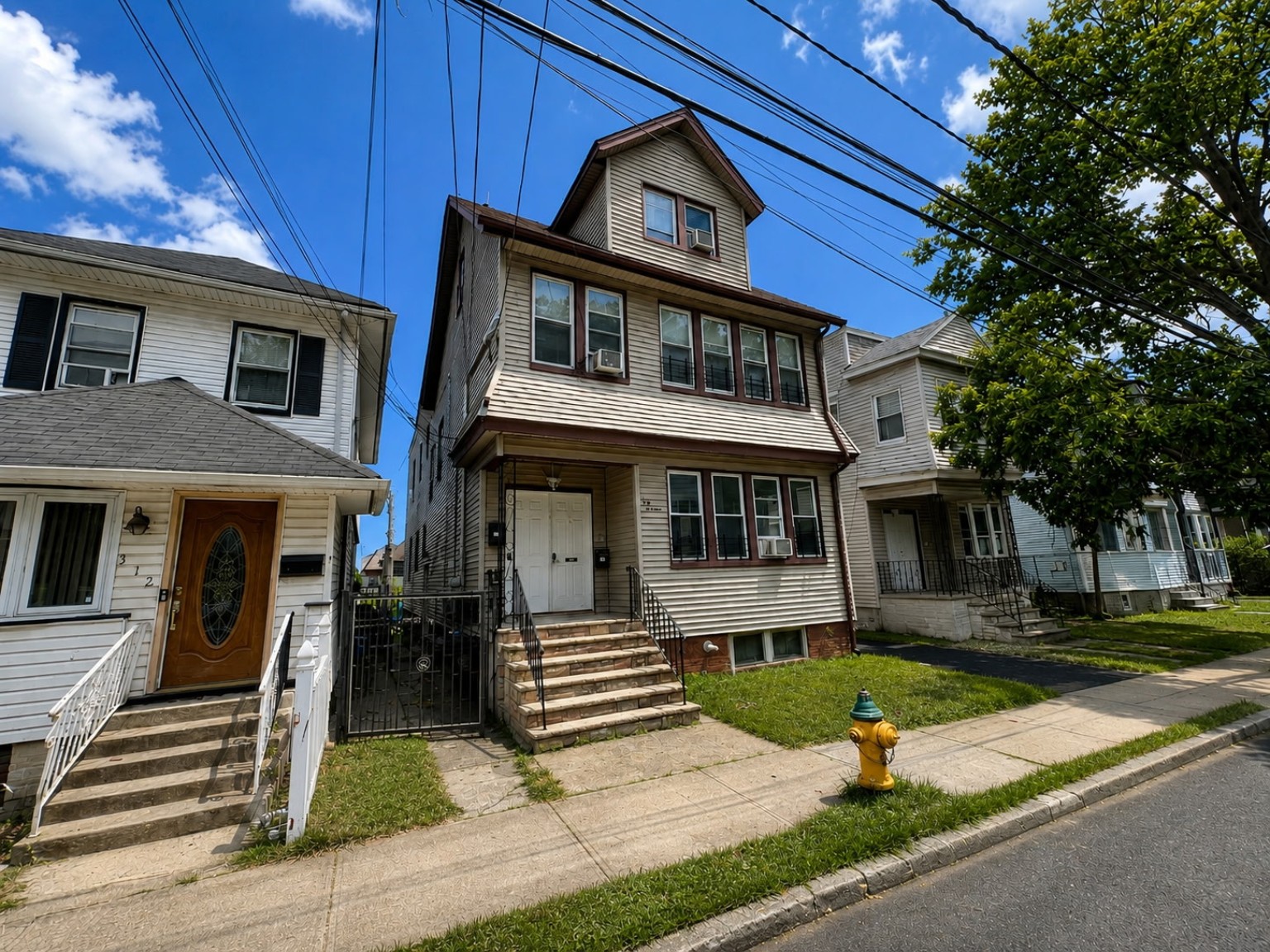
If you have considered selling your home, you have probably searched your address online and received an instant estimate within seconds.
That number may satisfy your curiosity, but it does not tell the entire story. Your home’s real market value depends on more than its square footage, bedroom count, or ZIP code. It is shaped by recent sales, buyer demand, property condition, presentation, and the strategy used to bring it to market.
New Jersey homeowners still have meaningful opportunities in 2026, but buyers have become more selective. Simply placing a home online is not enough. The property must be understood, prepared, and positioned with intention.
1. Your immediate neighborhood
Real estate is local—sometimes down to the block. Two similar homes within the same city can command different prices based on their surroundings, school district, parking, transportation access, property taxes, lot size, and neighborhood demand.
Across Newark, Orange, South Orange, Montclair, Bloomfield, Jersey City, and surrounding communities, values can change considerably from one neighborhood to the next. Broad online estimates should be treated as starting points, not final answers.
2. Recent comparable sales
The strongest indication of your home’s value is what buyers have recently paid for comparable properties. A thoughtful market analysis considers:
- Location and property type
- Bedrooms, bathrooms, square footage, and lot size
- Condition, upgrades, parking, and finished space
- Rental income or investment potential
The most useful comparisons are generally similar properties sold within the last three to six months. Active listings show your competition. Closed sales reveal what buyers were actually willing to pay.
3. Your home’s condition
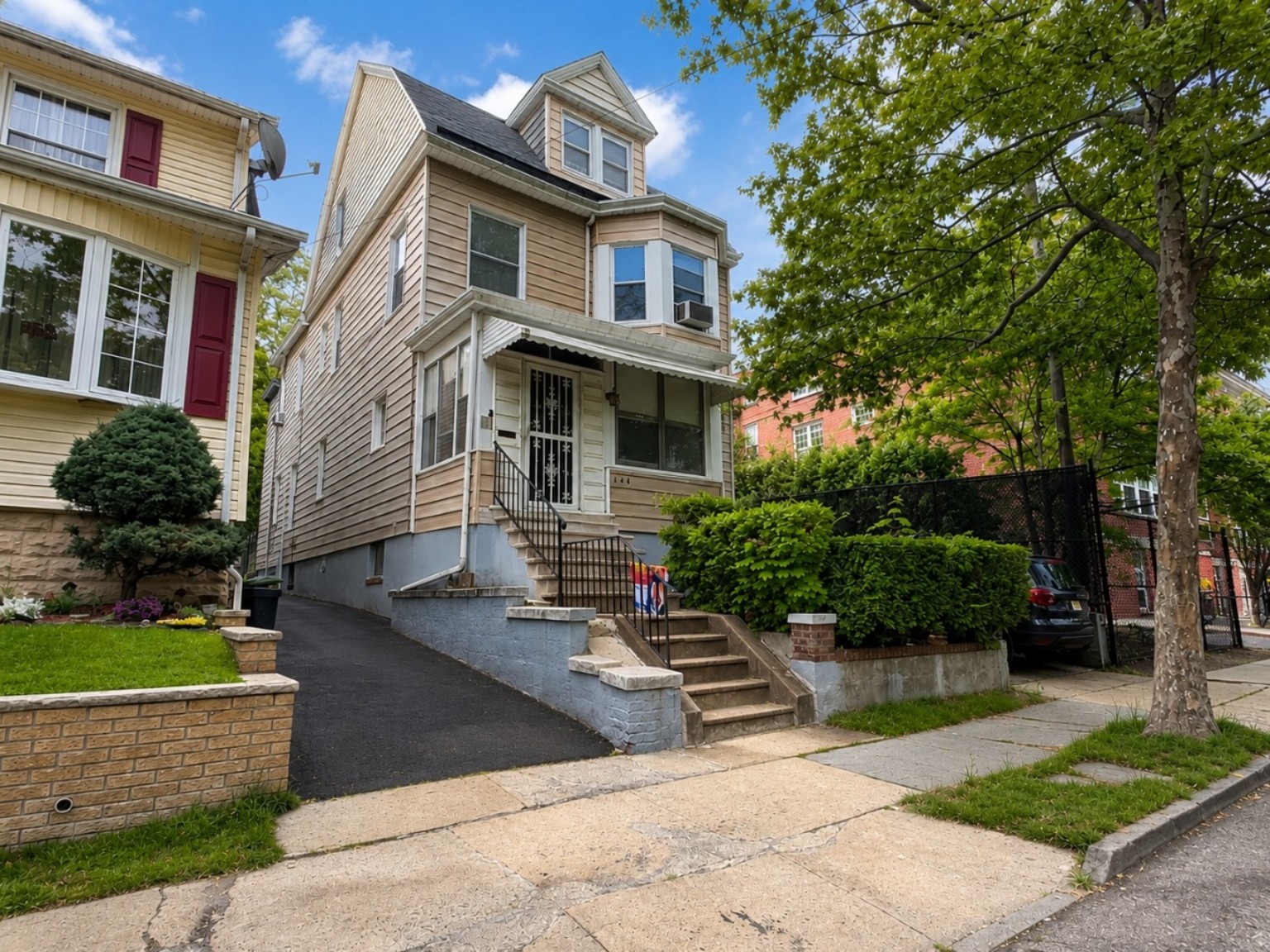
Not every home needs a complete renovation before it can be sold. The key is identifying which improvements could strengthen your return—and which ones are unlikely to pay for themselves.
Fresh paint, improved lighting, landscaping, minor repairs, decluttering, and a deep cleaning can make a meaningful difference. Larger projects should be evaluated carefully. In some cases, selling the property in its present condition may be the better decision. The goal is not perfection. It is intentional presentation.
4. How the property is presented
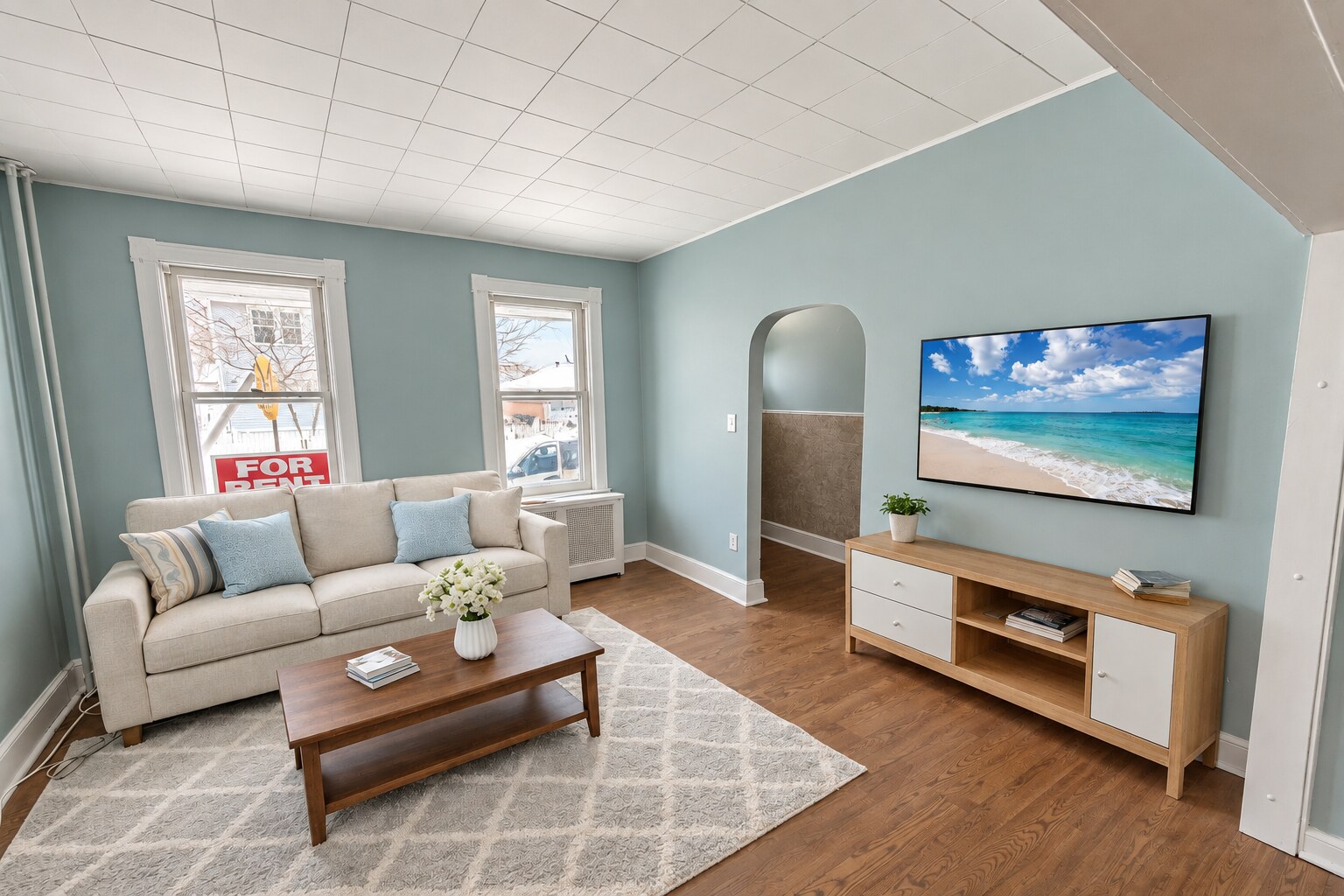
Most buyers will encounter your home online before they ever step inside it. Professional photography, thoughtful staging, compelling descriptions, video, and strategic digital marketing all influence whether a buyer schedules a showing.
Your home is not simply competing with other houses. It is competing for attention.
5. The property’s income potential
For multifamily, investment, and tenant-occupied properties, value may also depend on income. Buyers may evaluate current rents, market-rent potential, lease terms, expenses, utility responsibilities, taxes, vacancy, unit condition, and legal use.
This is especially important in Newark and other North Jersey communities where multifamily properties attract both owner-occupants and investors.
6. Municipal, title, and property details
Some of the most important factors affecting a sale are not visible in photographs. Open permits, unresolved violations, solar agreements, title issues, tax liens, certificates, and inaccurate municipal records can complicate a transaction.
Discovering these concerns early gives a seller more options. Waiting until the property is under contract can lead to unnecessary pressure, credits, delays, or even a lost buyer.
7. Your pricing strategy
Pricing is not about choosing the highest number possible. It is about selecting a number that creates the strongest response from qualified buyers.
Overpricing can reduce showings, extend time on market, and lead to price reductions. Underpricing without a clear strategy can leave money on the table. The right approach should reflect the property’s condition, recent sales, competition, buyer demand, and your personal objective.
YOUR NEXT MOVE
Your home’s value is more than an algorithm.
Receive a complimentary personalized property review covering your estimated market range, recent comparable sales, local buyer demand, and recommended next steps.
Find out what my home could sell forThis article is provided for general informational purposes. A property-specific review is necessary to estimate market value and is not a formal appraisal.